The hidden psychological impacts of gambling on decision-making processes
The allure of risk-taking
The psychology of gambling is deeply intertwined with the allure of risk-taking. Many individuals are drawn to the thrill of uncertain outcomes, which can activate the brain’s reward system. This activation releases dopamine, a neurotransmitter associated with pleasure, reinforcing the behavior. Consequently, the excitement of winning, no matter how rare, can distort one’s perception of probability and lead to impulsive decision-making. For instance, visiting Aviator casino highlights how such environments can encourage these behaviors.
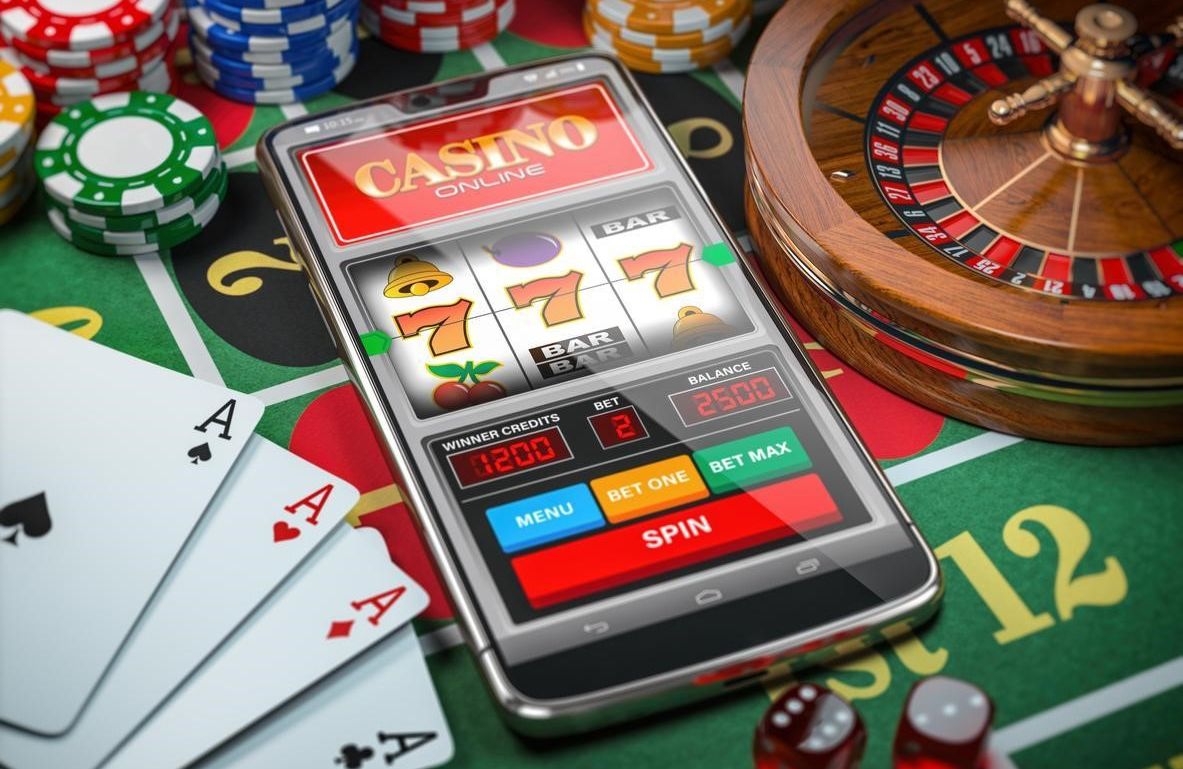
This tendency is not merely about chance; it taps into deeper psychological needs, such as the desire for control and validation. Gamblers often convince themselves they can influence outcomes, which creates a cognitive bias known as the illusion of control. This distorted thinking can lead individuals to make increasingly risky decisions, believing that they can ‘beat the odds.’
Cognitive biases significantly influence how individuals engage with gambling activities. One prevalent bias is the gambler’s fallacy, where individuals believe past results will affect future outcomes. For example, someone may think that after a series of losses, a win is due. This flawed reasoning can lead to continued gambling despite mounting losses, adversely impacting financial and emotional well-being.
The emotional state of a gambler can significantly affect their decision-making processes. High-stakes environments can elicit intense emotions, which can impair rational thinking. Stress, excitement, or anxiety can cloud judgment, leading to impulsive choices that may have long-term consequences. These emotions can create a feedback loop; for instance, a big win may lead to overconfidence, while a loss might trigger despair and reckless behavior in an attempt to recover losses.
Moreover, the emotional toll of gambling can extend beyond the individual to affect relationships and social dynamics. Family members may witness the impact of poor decisions fueled by gambling behavior, leading to conflicts and emotional distress. Understanding these emotional triggers is crucial for addressing the underlying psychological issues associated with gambling.
The social environment surrounding gambling also plays a vital role in shaping decision-making processes. Group dynamics can amplify the urge to gamble, especially in environments like casinos where socialization is encouraged. Peer pressure and the desire for acceptance can lead individuals to gamble more than they otherwise would, as they feel compelled to fit in with friends or family.
Furthermore, the normalization of gambling within certain social circles can create a culture where risky behaviors are overlooked or even celebrated. This collective mindset can further distort personal decision-making, as individuals may prioritize social acceptance over their financial and emotional well-being. Understanding these social influences is essential in addressing gambling behavior and its psychological impacts.

This website aims to shed light on the often-overlooked psychological aspects of gambling and its effects on decision-making processes. By exploring these hidden impacts, we hope to raise awareness and provide resources for individuals struggling with gambling behaviors. Our goal is to foster understanding and support for those affected by gambling, as well as to inform the wider community about the psychological factors at play.
We believe that a better understanding of the psychological dynamics involved in gambling can empower individuals to make more informed choices. By delving into the complexities of decision-making influenced by gambling, this website serves as a resource for education, support, and advocacy in promoting healthier behaviors.